
Unacknowledged
A Deep-state Tactic for Shaping the Emerging UAP Narrative

Introduction
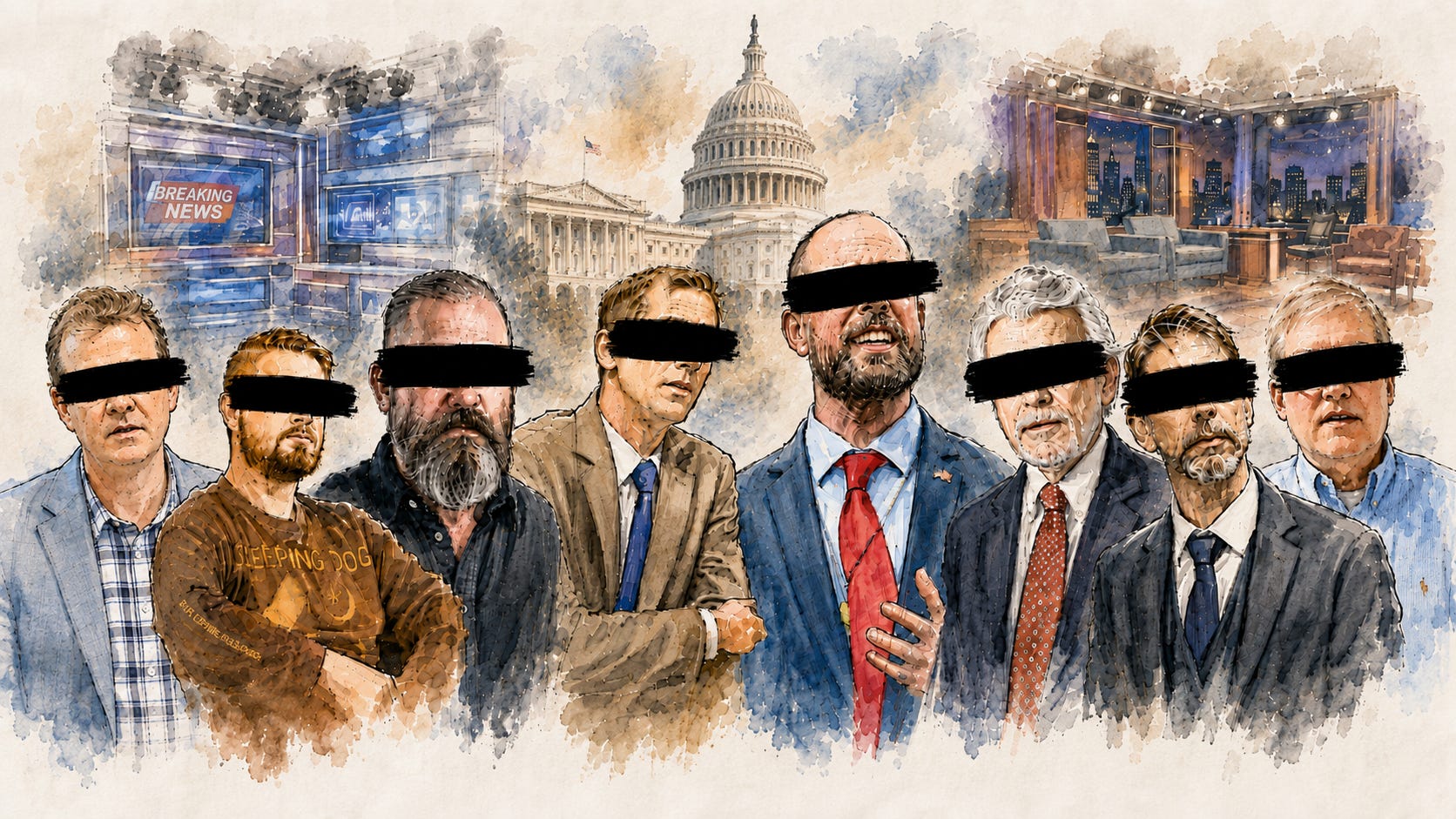
Since 2017 the public has been subjected to the sometimes subtle sometimes overt tactics used by those in power to shape the consensus reality on Unidentified Anomalous Phenomena (UAP). It is critical to understand what these tactics are and the impact they have on manipulating the spectrum of acceptable speech and political action, a concept formalized as the “Overton Window”. Only by identifying and naming these methods can we avoid the traps laid for us on the path to full transparency and accountability.
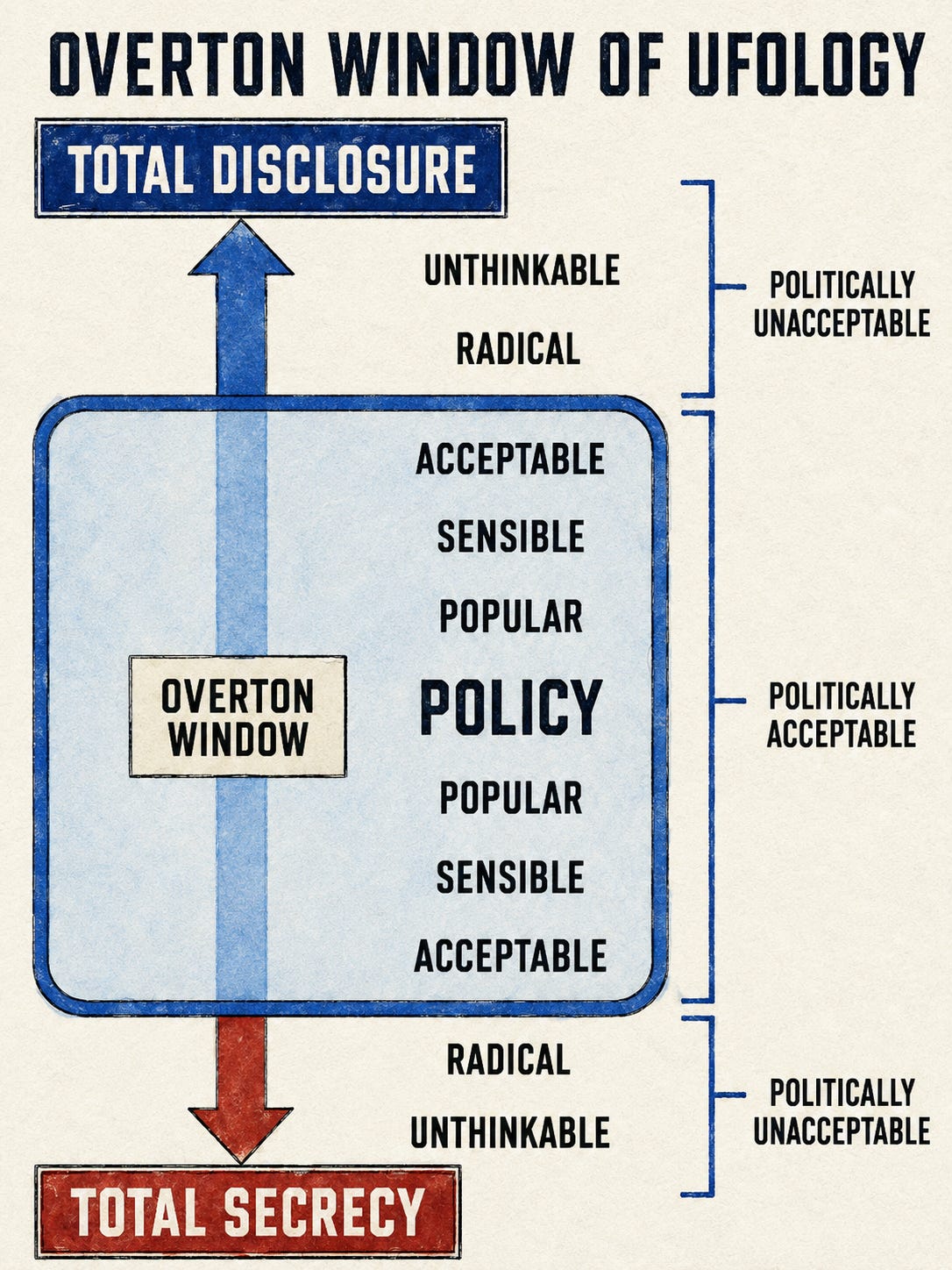
The Overton window is the range of policies, ideas, or opinions that are considered politically acceptable or mainstream in public discourse at a given time. Ideas that fall inside the window are seen as reasonable and discussable. Ideas that fall outside it are viewed as radical, extreme, unthinkable, or fringe — and are usually dismissed or ignored by mainstream politicians, media, and the public.
Acknowledgment as Power
One of the most effective tools available to those in positions of power and privilege is acknowledgment. By virtue of their office, reputation, networks, and access to institutions-powerful people and organizations can give life to the subjects and individuals of their choosing. Their simple acknowledgement of a cause, a person, an allegation, or a policy confers legitimacy and produces measurable change.
Followers will take notice and amplify the message, endorse the position, support aligned messengers, and amplify what authority has deemed worthy of attention. In the age of social media, these network effects are almost instantaneous.
The other side of this coin is unacknowledgment: the deliberate withholding of recognition from a person, claim, cause, or policy that threatens established interests. Rather than refute an allegation, challenge the evidence, or openly suppress advocates, those in power can simply refuse to dignify a subject with an answer. Silence becomes its own reply.
This tactic signals to institutions, allies, subordinates, journalists, and the broader public that a person or subject is not credible, serious, or safe to consider. When people look to establishment authorities for guidance, and encounters only unacknowledgment, most take their cue from that silence.
A sustained practice of unacknowledgment can therefore marginalize a subject without ever formally censoring it. Authority figures can isolate advocates without openly condemning them, and suppress information without accepting the risks of denying it outright.
Those who raise an issue in good faith find themselves on the horns of a dilemma: compelled to fight not only over whether their claim is true, but over whether the claim—and they themselves—are worth hearing from at all.
What is Unacknowledged Becomes Invisible
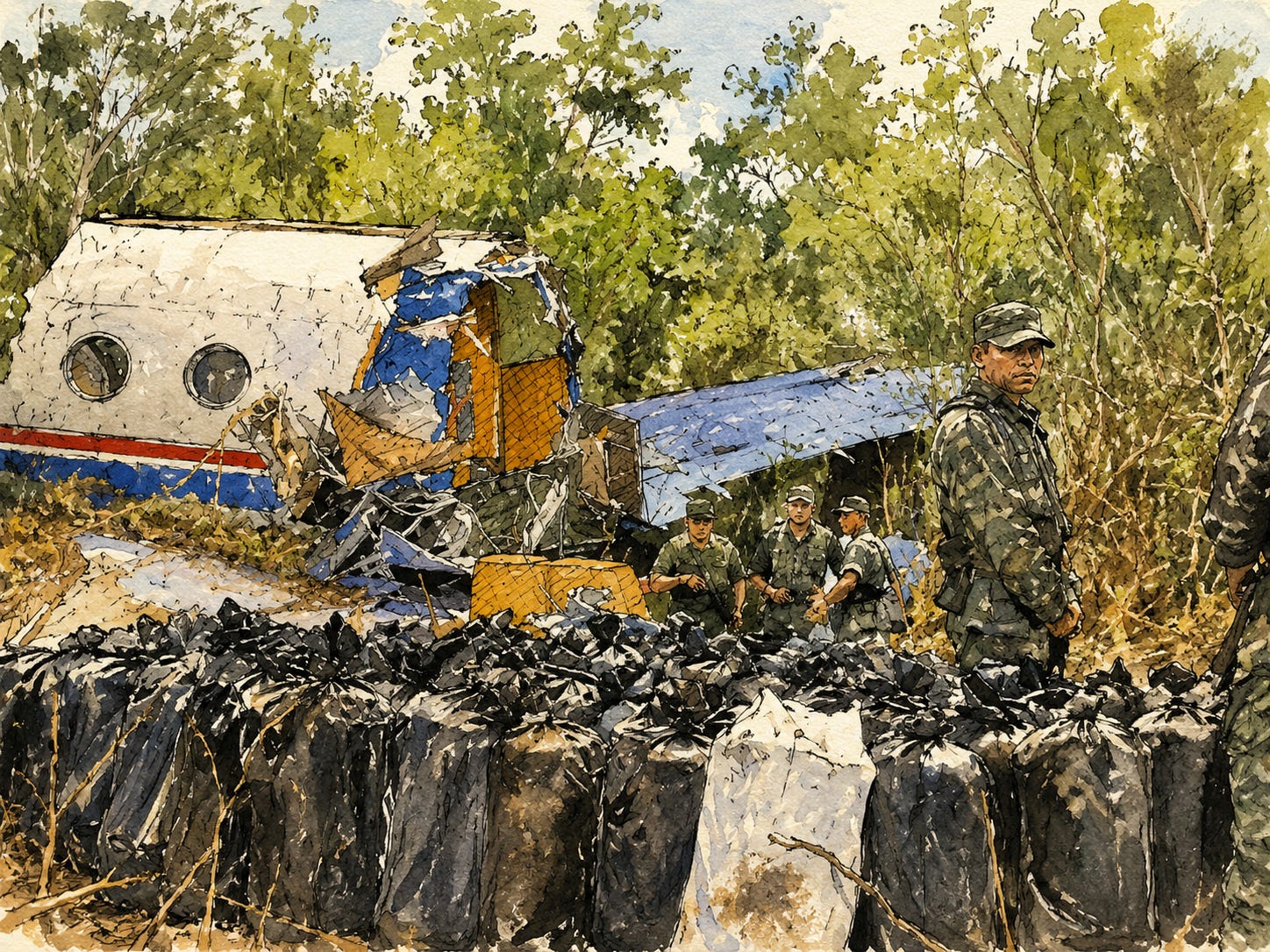
Caught between a rock and a hard place, those attempting to speak the truth are baited into becoming increasingly vocal, emotional, frustrated, or grandiose when attempting to present claims that, under less contested circumstances, would merit serious discussion and official action.
This reactionary attitude can isolate them from the general public and from sympathetic allies with the means to help. The insistence and passion of advocates, when met only with institutional silence or dismissal, can cause them to appear obsessive, unstable, or unhinged-regardless of the truth or urgency of what they are saying.
Unacknowledgment thus creates a self-reinforcing trap. The victim of this tactic feels the need to escalate in an effort to compel recognition. That escalation is then treated as evidence that a person was never worthy of recognition in the first place.
From unacknowledgment it is a short road to isolation and from isolation to ostracism—a politically terminal condition from which reputations and causes rarely recover.
Standard Operating Procedure
The American intelligence community (IC) and political class have mastered this tool and it has become part of their standard operating procedure for managing the Overton window. Unacknowledgment has been formalized into a potent weapon of narrative control, institutional protection, and status quo enforcement.
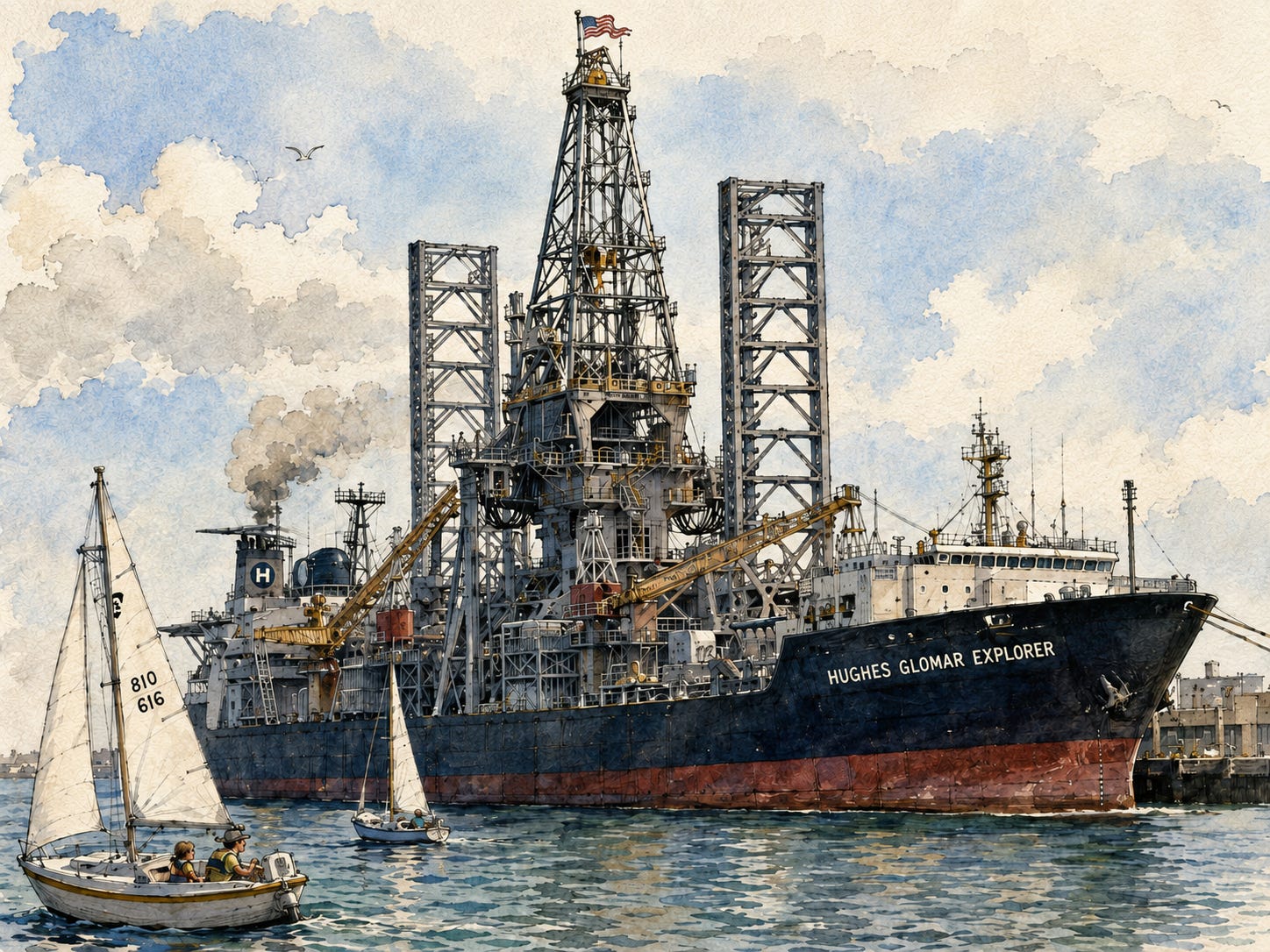
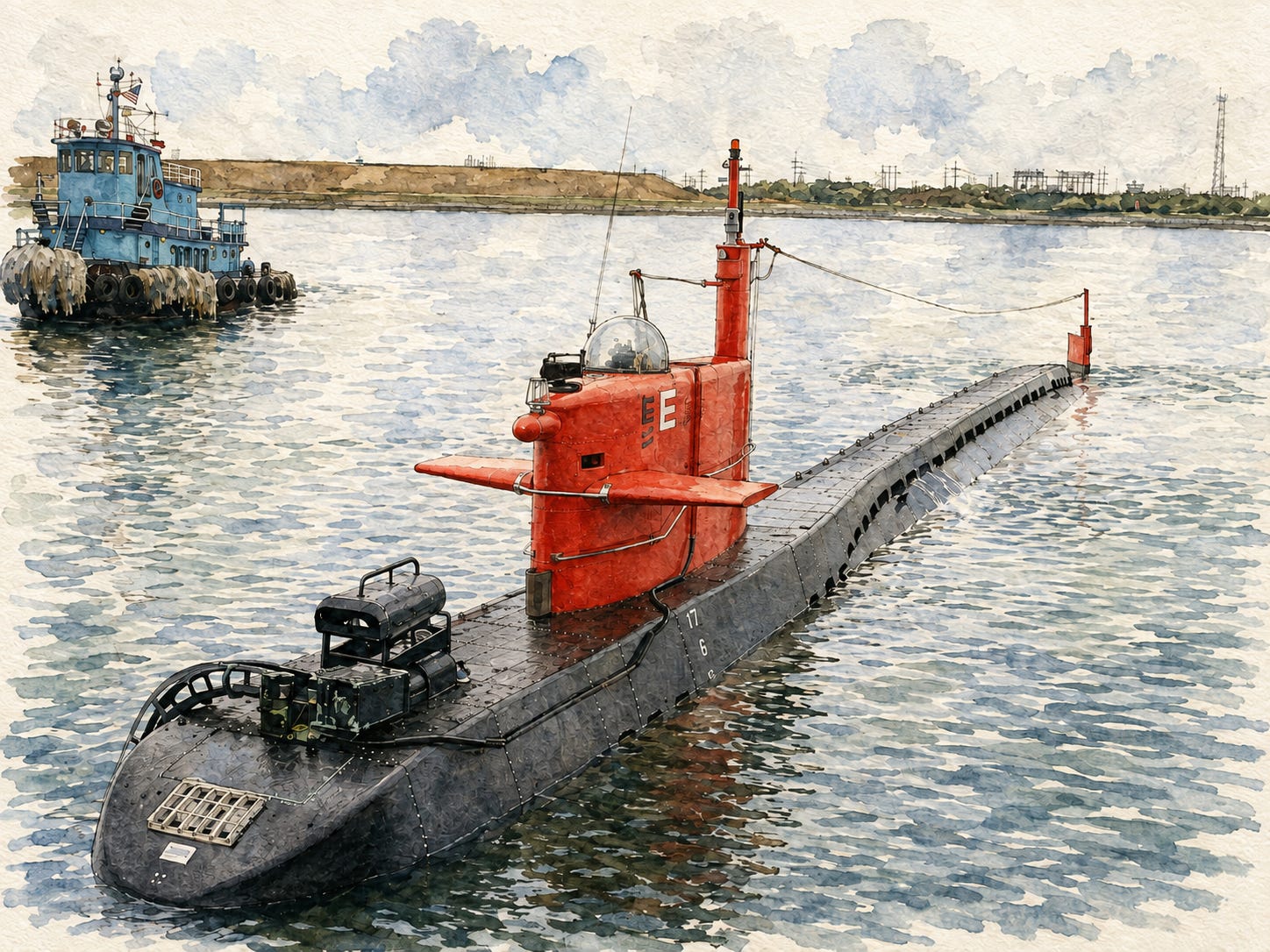
The best-known example of this method in action is the infamous Glomar response: the refusal to “confirm or deny” the existence of requested information. Developed by the CIA in response to inquiries concerning Project AZORIAN and the Hughes Glomar Explorer, the Glomar has become a tool enabling the government to withhold not merely information, but official recognition that there is information to withhold.
Glomar is thus not merely a legal contrivance, it is the exercise of political power to achieve epistemic control. When government decides both what you may know and what can be investigated, transparency and justice become nearly impossible.
The Glomar response has since become an established feature of the national-security state, allowing agencies to avoid conceding a foothold upon which investigation, accountability and reform might begin.
This tactic is not confined to the United States. In the United Kingdom, for example, the Crown has long refused to confirm the identity of the British agent codenamed Stakeknife, despite decades of thorough investigative reporting. Stakeknife is now widely believed to be Freddie Scappaticci, an IRA member who committed grave crimes while operating as a double agent for the British. Despite damning evidence, the UK government continues to refuse to “confirm or deny” his identity. This policy has contributed to preventing the UK and Irish people from obtaining closure for a dark time in their national history.
More immediately relevant to UAP disclosure is the refusal of the Office of the Director of National Intelligence (ODNI) to publicly acknowledge its egregious treatment of congressional UAP whistleblowers Dylan Borland, Matthew Brown, and others whose identities remain protected. Based on this author’s direct knowledge and experience, ODNI personnel participated in conduct intended to manipulate, entrap, discredit, and ultimately prosecute lawful UAP whistleblowers who came forward to Congress.
As of this writing ODNI has yet to publicly answer these serious allegations whilst claiming it is now safe for UAP whistleblowers to come forward through official channels. ODNI has not acknowledged the allegations, justified the authority under which they occurred, nor apologized to the people who were harmed. Instead, the institution has behaved as though neither the whistleblowers nor the allegations exist.
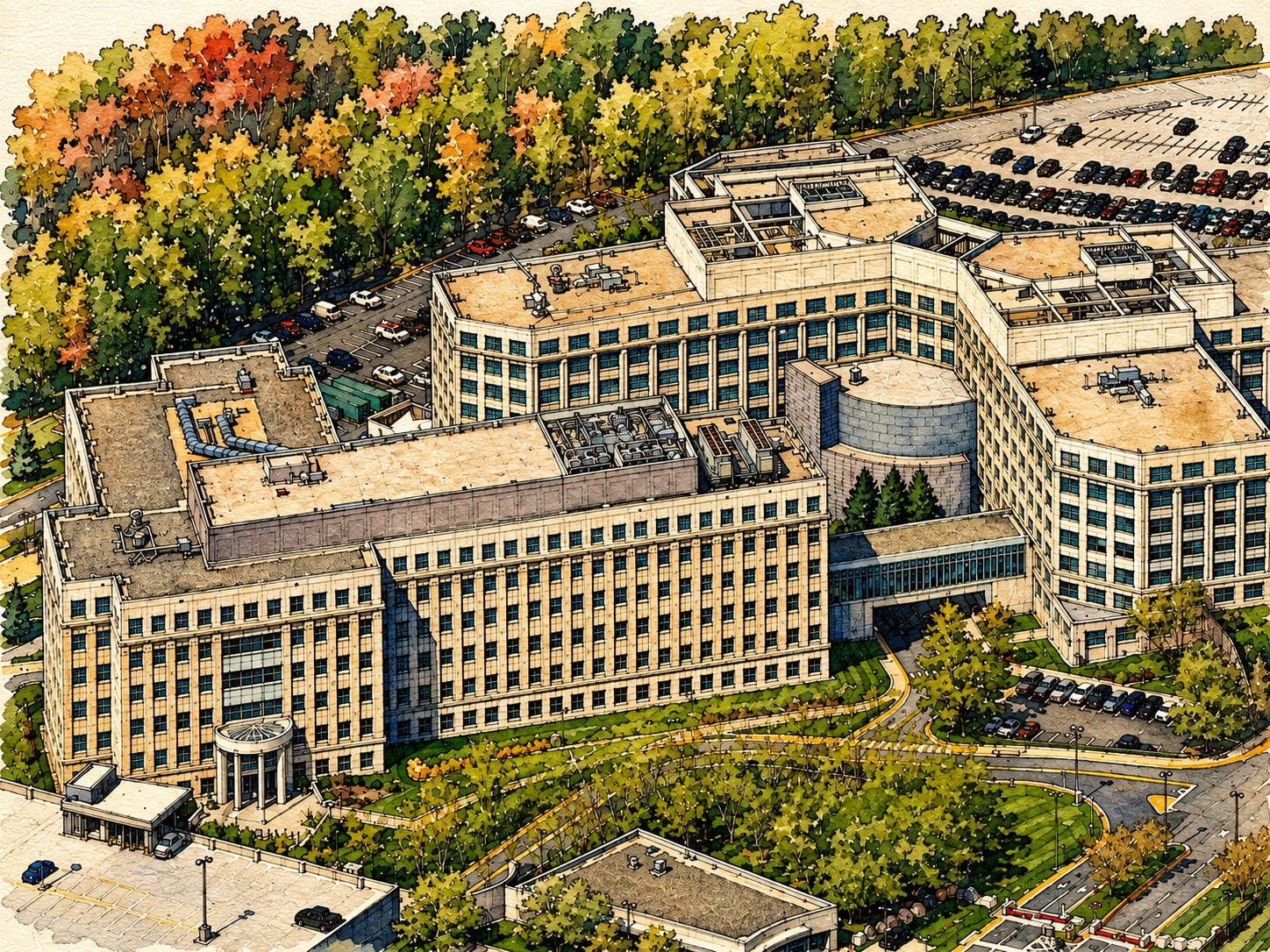
Through applying strategic unacknowledgment, ODNI avoids accountability for its dishonorable actions while simultaneously denying the legitimacy that acknowledgment would confer upon the whistleblowers and the broader UAP disclosure movement.
This same pattern of behavior can be seen outside formal government institutions.
Political leaders, disclosure advocates, media personalities, civic leaders, and other influencers who serve as bridges between special interests and the American public all possess the power to confer or withhold recognition. This power is currently being exercised to shape the emerging UAP narrative.
Whether acting independently, in coordination, under private guidance, or openly advancing status quo interests, these figures exercise their power over the growing disclosure movement by deciding which whistleblowers are platformed, which allegations are discussed, which evidence is sought, and which people are made persona non grata.
However, it is important to note that not every instance of silence is due to a policy of unacknowledgment, or that all such uses of this tactic can be traced to a centrally directed source.
Convergent interests have nearly the same explanatory power as criminal conspiracies.
In the disclosure movement, those whose livelihoods depend upon access to power quickly learn which subjects threaten that access. Those seeking status and influence with political and financial groups quickly learn what topics are favored or disfavored, and align their behavior accordingly. Journalists learn what officially endorsed sources are unwilling to discuss. And advocates learn what topics lead to invitations and which lead to ostracism.
An invisible “rules of the road” has come to dominate and shape the contours of acceptable debate, association, and desired end-states for UAP disclosure - all without explicit coordination or overt threats.
What Is to Be Done?
How, then, can this tactic be countered? The first step is to stop evaluating only what influential people say and do, and begin examining what they don’t say and what they don’t do. Wile it is true that public figures, journalists, politicians, and organizations have finite time and attention, at a certain point we must question the omissions.
Patterns, however, tell stories, and patterns of behavior will reveal intent.
Which whistleblowers are never named? Which reports are never cited? Which allegations are never addressed? Which researchers are ignored? Which subjects are conspicuously and consistently absent from interviews, hearings, official timelines, or organizational missions? What facts are omitted? Who is never invited to the table?
Compare these omissions against what is acknowledged, amplified, and advanced. If certain disclosures, whistleblowers, or policies receive immediate attention while others are persistently ignored, that pattern becomes noteworthy.
More proactively, the public-and especially journalists-should respectfully yet persistently ask influential figures to explain glaring omissions in their messaging. Framing the question as "You have publicly discussed numerous UAP witnesses and allegations. Why have you never addressed this particular testimony, report, or disclosure?" will do much to illuminate an actor’s true motivations, agenda, and, more importantly, their hidden constraints.

Breaking Away
Finally, the UAP disclosure movement should race to build institutions capable of conferring acknowledgment and authority independent of government agencies, legacy media, or self-appointed leaders.
Archives, research organizations, legal advocacy groups, historians, journalists, and community leaders should coordinate and come together to present defensible stances independent of status-quo powers and special interests.
Unacknowledgment derives much of its power from inherited institutional credibility and unquestioning mass acceptance of the consensus reality. By building up multiple trusted centers of excellence separate and distinct from compromised personalities, status-quo interests, and gate-kept data, the disclosure movement can begin to counteract the efforts of bad actors to shape the emerging disclosure process. With courage and persistence, we can win over public trust to those who deserve it.
“The Party told you to reject the evidence of your eyes and ears. It was their final, most essential command.” —George Orwell, Nineteen Eighty-Four
Very insightful, and equally applies to the subject of Havana Syndrome/Directed Energy/AHI
Thank you so much Matthew Brown. You bring me sanity! Keep up the good fight.